We live in a culture that celebrates the dream. We are inundated with inspirational quotes urging us to “shoot for the moon,” to “dream so big it scares you,” and to “envision the impossible.” Founders are lauded for their billion-dollar visions, and thought leaders are celebrated for their futuristic predictions. This emphasis on audacious goals is not inherently wrong; a compelling vision is the North Star that provides direction and inspires action. However, a dangerous chasm has emerged in our collective psyche—a disconnect between the grandeur of the dream and the gritty reality of the work required to achieve it. The true secret to success, the one whispered in the halls of sustainable achievement, is this: Dream Big, But Don’t Forget Who’s Doing the Work.
This principle is a call for a fundamental rebalancing. It’s a reminder that the vision provides the destination, but execution is the grueling, often unglamorous, journey on foot. To forget the person walking the path their needs, their limitations, their humanity—is to ensure the journey will be abandoned long before the destination is reached.
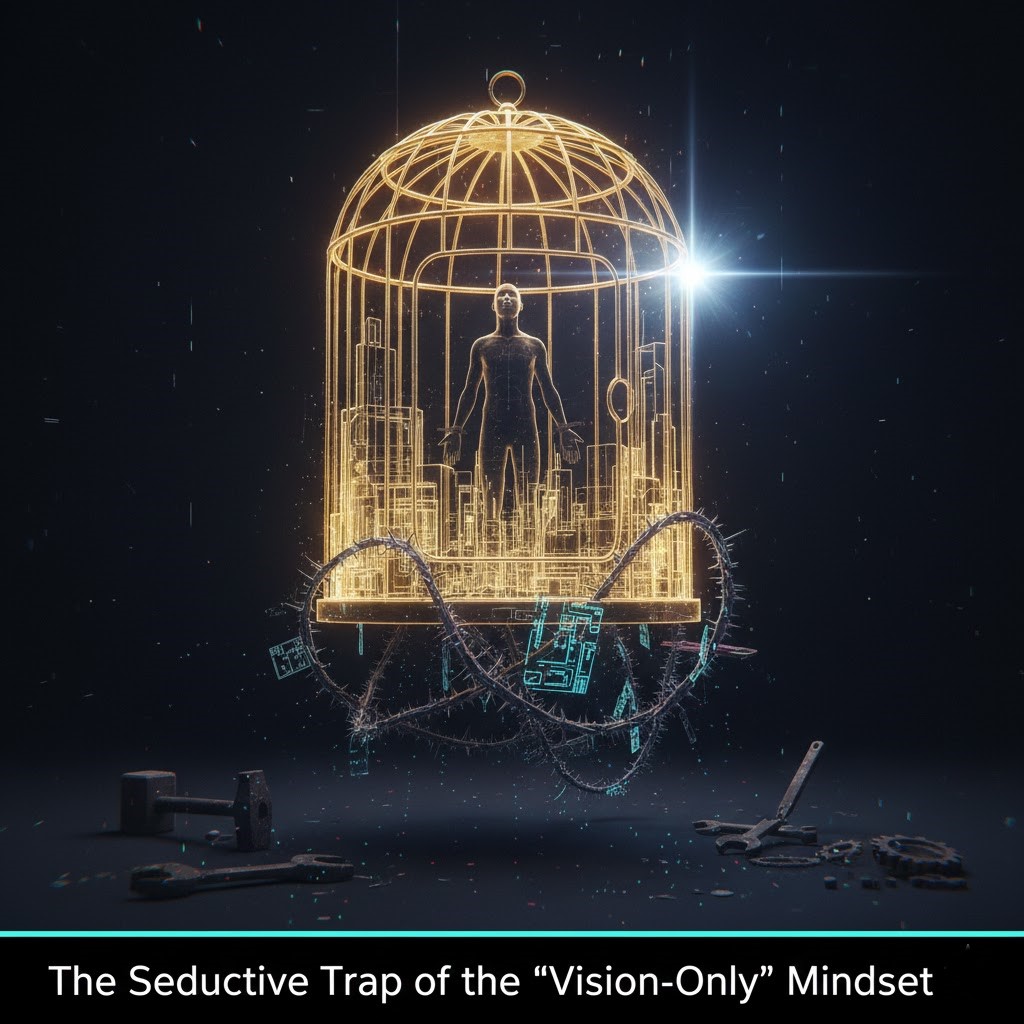
The Seductive Trap of the “Vision-Only” Mindset (dream big)
The visionary leader, eyes fixed on the horizon, can easily fall into a trap. This “vision-only” mindset manifests in several destructive ways:
- Strategic Paralysis: The dream is so vast and perfect that it becomes intimidating. The sheer scale of the gap between the current reality and the desired future can be paralyzing. Teams are left waiting for a “perfect” plan that never materializes, and momentum stalls. This is the “all-or-nothing” fallacy, where the inability to achieve the entire dream at once prevents any progress at all.
- The Burnout Machine: When the vision is everything, the people become instruments for its achievement. Relentless pressure, unrealistic deadlines, and a culture of “hustle” at all costs become the norm. The dream, which was supposed to be inspiring, becomes a tyrannical master. Team members are treated as renewable resources rather than the very engine of innovation and progress. The result is not breakthrough success, but widespread fatigue, cynicism, and attrition.
- The Disconnect from Reality: A vision crafted in a boardroom, detached from the frontline experience, is often a fantasy. Leaders who don’t understand the daily challenges, technical constraints, or market feedback loops their teams face create strategies that are elegant in theory and unworkable in practice. This top-down imposition of a dream, without bottom-up input, leads to wasted resources and frustrated employees who feel unheard.
The core failure here is a misunderstanding of causality. The dream does not build the product. The dream does not write the code, serve the customer, or refine the process. People do. And when the people are overlooked, the dream inevitably dies.
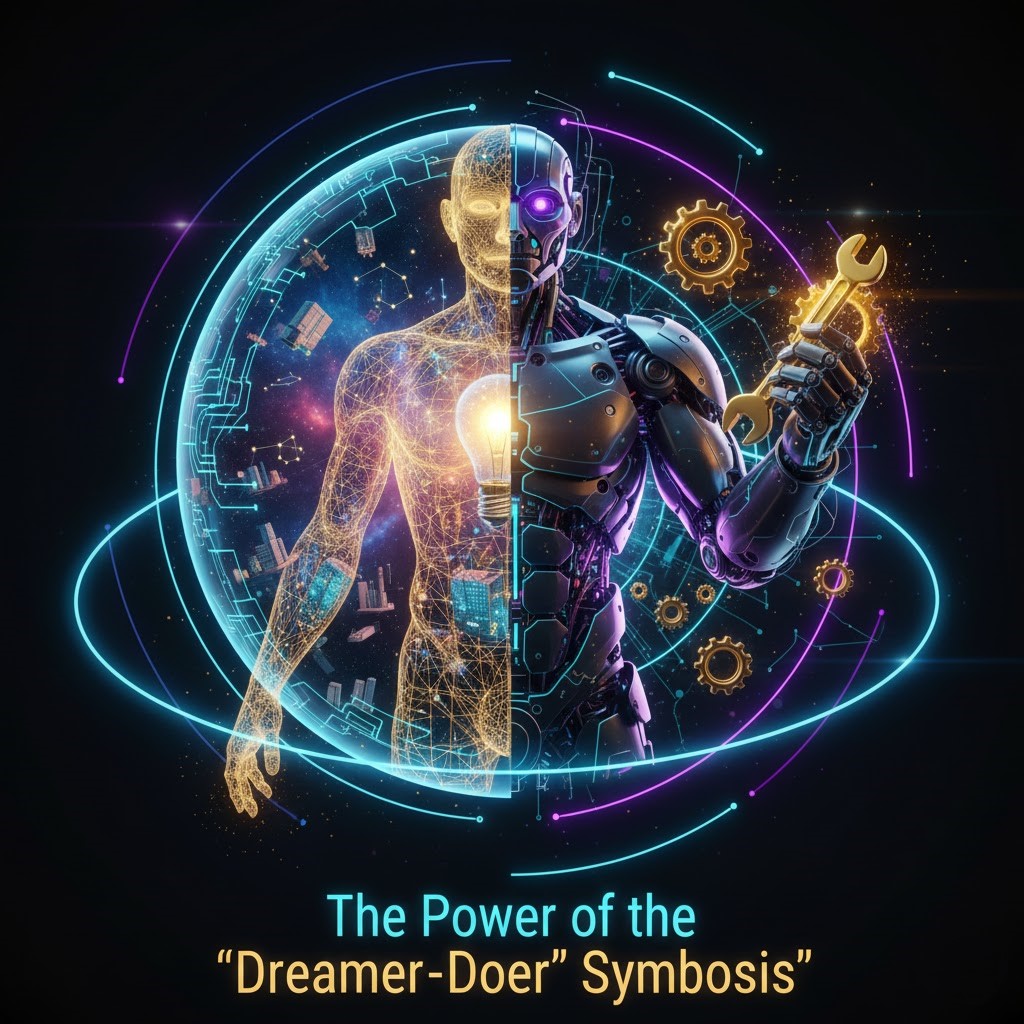
The Power of the “Dreamer-Doer” Symbiosis
The most successful organizations and individuals are those that foster a symbiotic relationship between the dreamer and the doer. They understand that vision and execution are two sides of the same coin, each informing and reinforcing the other.
1. The Leader’s Role: Architect and Advocate
For leaders, the mantra “Don’t Forget Who’s Doing the Work” requires a profound shift from a commanding general to a serving architect.now question is how too dream big?
- Translate the Vision into Actionable Milestones: A grand vision must be broken down into a series of manageable, achievable steps. The 10-year goal needs a 1-year plan, a quarterly objective, and a weekly task list. This process demystifies the dream big and makes it feel attainable. It replaces the anxiety of the mountain’s peak with the focus on the next step forward.
- Provide the Tools and Remove the Obstacles: A leader’s job is not to do the work but to ensure the doers have everything they need to succeed. This means providing the right technology, training, and budget. More importantly, it means actively identifying and removing bureaucratic, technical, or interpersonal roadblocks that slow the team down. Be a servant leader who clears the path so the experts can run.
- Listen to the Ground Truth: The most valuable strategic insights often come from the people closest to the work. The customer support agent hears the recurring complaints. The software engineer understands the technical debt. The marketing coordinator sees which messages truly resonate. Create channels for this feedback to flow upward and, crucially, act on it. Let the doers help refine the dream.
2. The Doer’s Role: Craftsman and Realist
For the individual contributor, embracing this principle is about moving from a passive task-completer to an engaged craftsman.
- Connect Your Work to the Larger Purpose: It is demoralizing to see your daily tasks as a meaningless checklist. Take the initiative to understand how your specific work—whether it’s writing a line of code, designing a graphic, or analyzing a spreadsheet—contributes to the company’s overarching vision. When you see your work as an essential brick in a cathedral, your motivation and pride will soar.
- Communicate Reality Upward: If a deadline is unrealistic, a process is broken, or a strategy is flawed, you have a responsibility to speak up. Provide data, not just complaints. Offer alternative solutions. Your ground-level perspective is a critical asset that prevents the dream from drifting into delusion.
- Take Ownership of Your Craft: The dream big provides the “what,” but the doer defines the “how.” Strive for excellence in your daily work. Be the person who cares about the quality of the code, the elegance of the design, or the clarity of the report. This pride in craftsmanship is what transforms a good idea into an exceptional product.
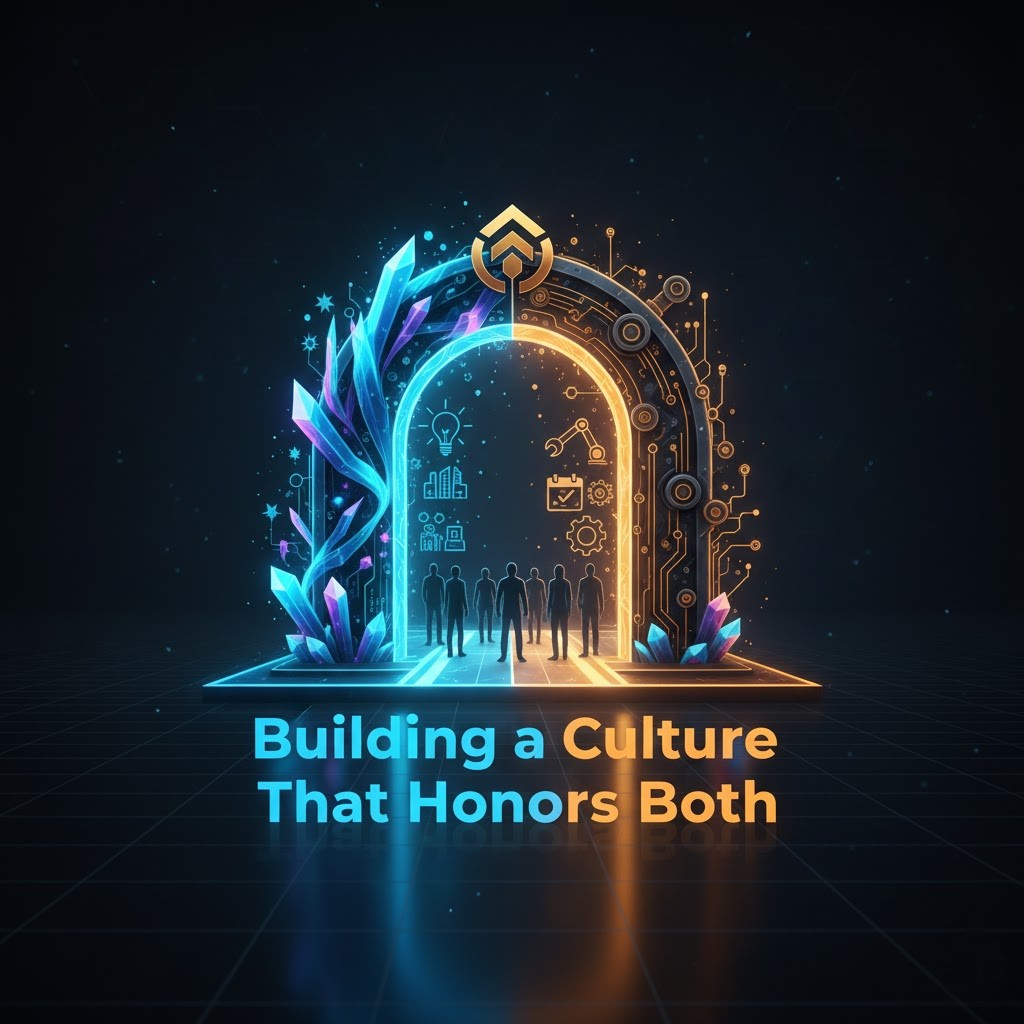
Building a Culture That Honors Both
Creating an environment where this symbiosis can thrive requires intentional cultural design.
- Celebrate Execution as Much as Ideation: In all-hands meetings and company communications, don’t just celebrate the big vision. Shine a spotlight on the team that shipped a complex project on time, the individual who solved a persistent bug, or the department that streamlined a cumbersome process. Make “getting it done” a core value.
- Embrace Iteration, Not Perfection: Foster a culture where it is safe to try, fail, and learn. The pressure to make every step perfectly align with a grand, untouchable vision kills innovation. Encourage prototyping, testing, and adapting. Allow the dream to be shaped and improved by the realities discovered during execution.
- Protect Time for Deep Work: The most meaningful work requires uninterrupted focus. A culture of constant meetings, urgent pings, and reactive tasks is the enemy of execution. Leaders must actively create “focus time” for their teams, guarding them from the organizational chaos that prevents real progress.
Conclusion: The Bridge Between Today and Tomorrow
The dream big is the blueprint for a magnificent bridge to a better future. But the work is the steel, the concrete, and the painstaking labor that actually builds it, beam by beam. A blueprint without construction is a fantasy. Construction without a blueprint is chaos.
Dreaming or dream big provides the inspiration but remembering who’s doing the work provides the perspiration. It is the marriage of the two—the inspiring “why” with the practical “how”—that creates not only monumental achievements but also sustainable, fulfilling, and human-centric journeys. So, by all means, look at the stars. Let your ambitions soar. But never, ever forget to look down at your feet, to care for the walker, and to honor the profound power of the next step. For it is in the cumulative force of ten thousand small, well-executed steps that the largest dreams are finally, and gloriously, realized.